The Practice
Why recovery is not the reward
Most people treat recovery as something that happens after the hard work is done. It is understandable. The training feels like the point. Here is why that thinking is costing you more than you realise.

Written by
Sofia Andersen
Clinic Physician
The biology is straightforward
When you train, you create stress in the body. Muscle fibres tear at a microscopic level. The nervous system works harder than usual. Energy stores deplete. None of that is bad. It is the whole point. The body responds to that stress by rebuilding stronger than before.
But that rebuilding only happens under the right conditions. Sleep is the most obvious one. Nutrition matters. So does the deliberate management of inflammation, circulation and tissue quality. Recovery is not passive. It is a set of conditions you either create or you do not.
Most people create some of them by accident. The ones who create all of them intentionally are the ones who progress fastest and sustain it longest.
What gets left out
The recovery tools that make the biggest difference are also the ones most people never use consistently. Not because they are hard to access but because they have never been framed as essential.
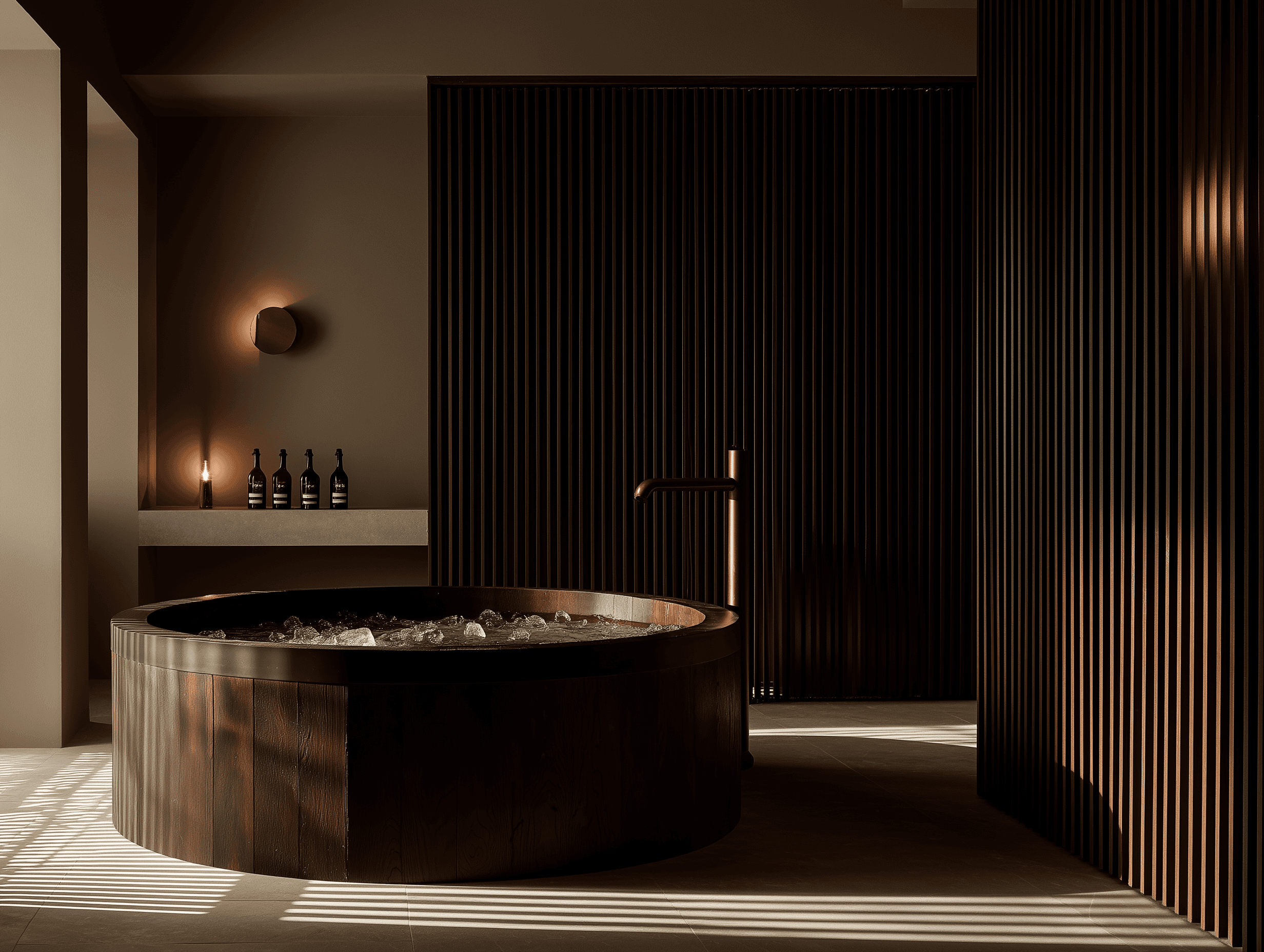
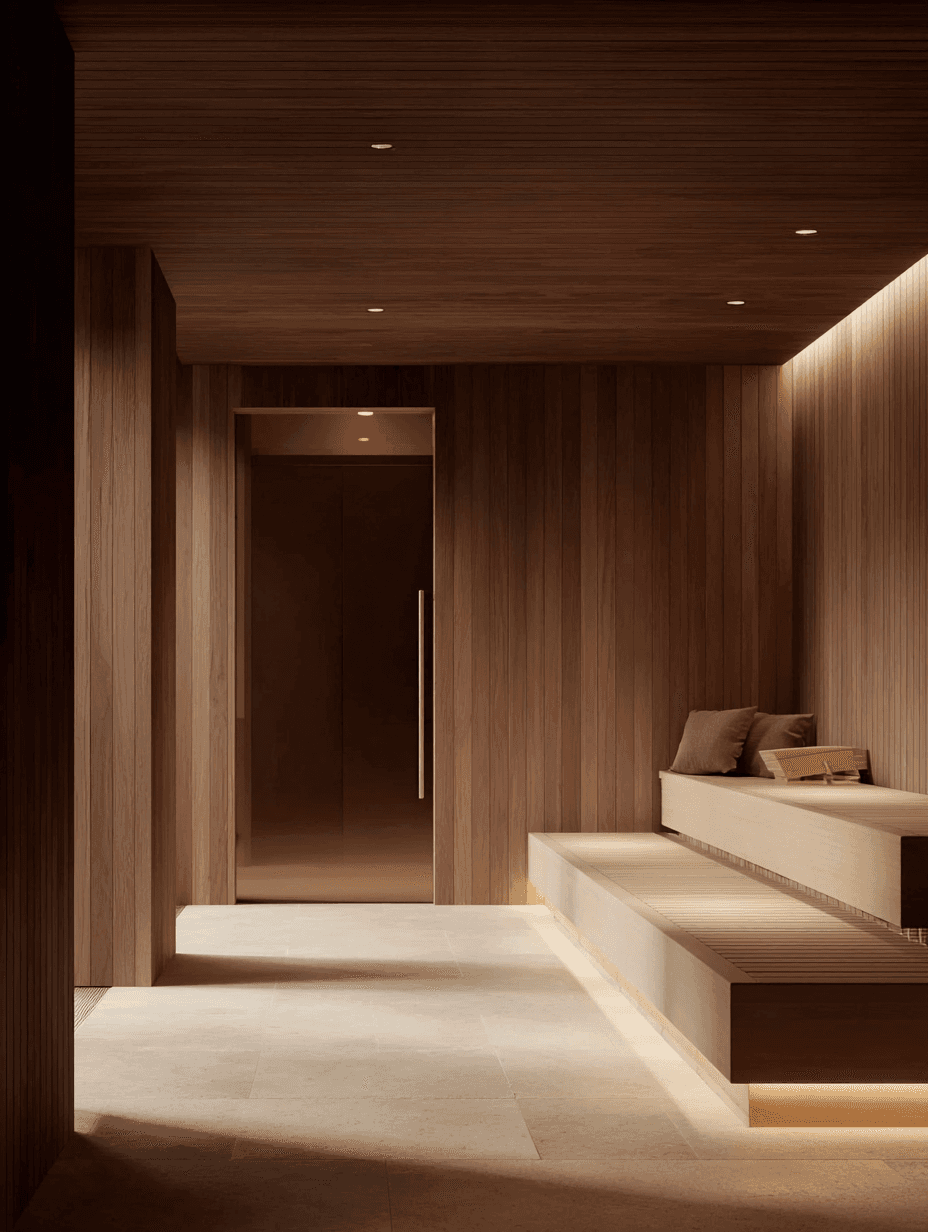
Cold water immersion reduces inflammation and accelerates the clearance of metabolic waste from worked muscle tissue. Regular sauna use improves cardiovascular function, supports deep sleep and reduces baseline muscle tension over time. Soft tissue work addresses the compensation patterns and accumulated tightness that build up in any body that trains regularly. Rest, genuine rest in a quiet environment with no demands on attention, allows the nervous system to complete its own repair cycle.
None of these are luxury additions to a training programme. They are the conditions under which a training programme actually works.
The recovery practice
At Orlo recovery is treated with the same seriousness as movement. The sauna, the ice bath and the bodywork are not rewards for training hard. They are part of the practice itself. Members who use both sides of the club consistently tend to notice the difference within a few weeks. Better sleep, faster recovery between sessions, less accumulated tension in the body over time.
The shift in approach is small. You are not adding more to your week. You are completing the work you are already doing.
What changes when you take it seriously
The most common thing members report after their first month at Vēla is that their training feels different. Not harder or easier exactly. More productive. Sessions build on each other rather than just depleting and replenishing the same baseline.
That is what a complete practice feels like. The movement creates the demand. The recovery meets it. Both are necessary and neither one works as well without the other.
Recovery is not the finish line. It is part of the track.
A note on getting started
If you are new to deliberate recovery the simplest place to start is consistency over intensity. Ten minutes in the sauna three times a week produces more over a month than an hour once. Two minutes in the ice bath done regularly outperforms longer sessions done occasionally. One bodywork session that addresses something specific does more than a general treatment every few months.
The practice builds. The results follow. That is true of movement and it is equally true of recovery. Vēla is built around both because one without the other is half the answer.